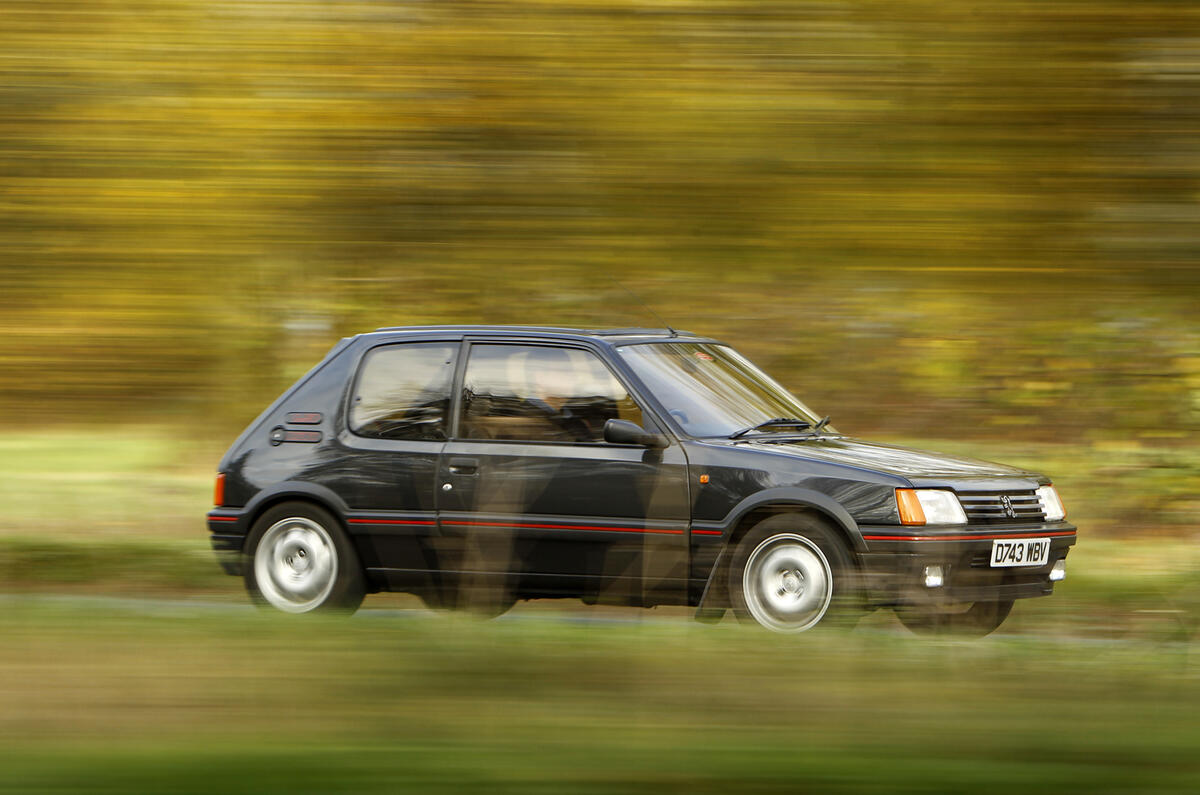
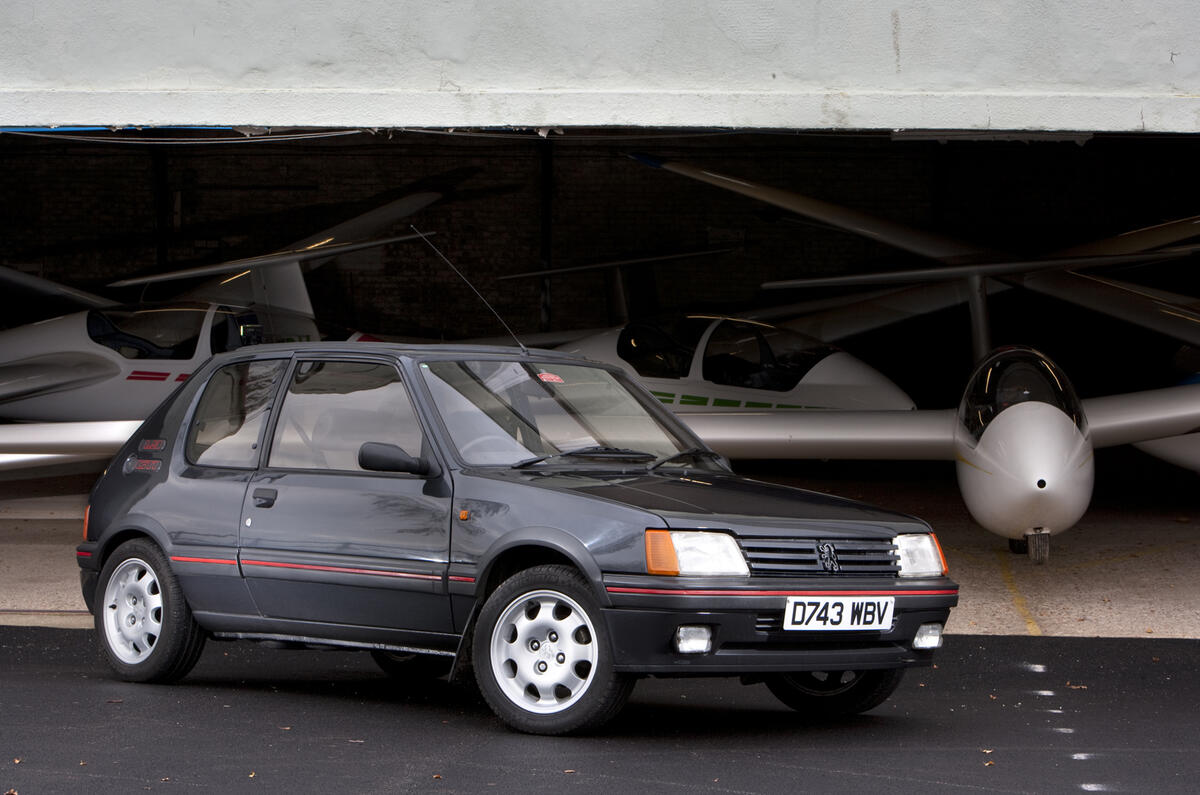
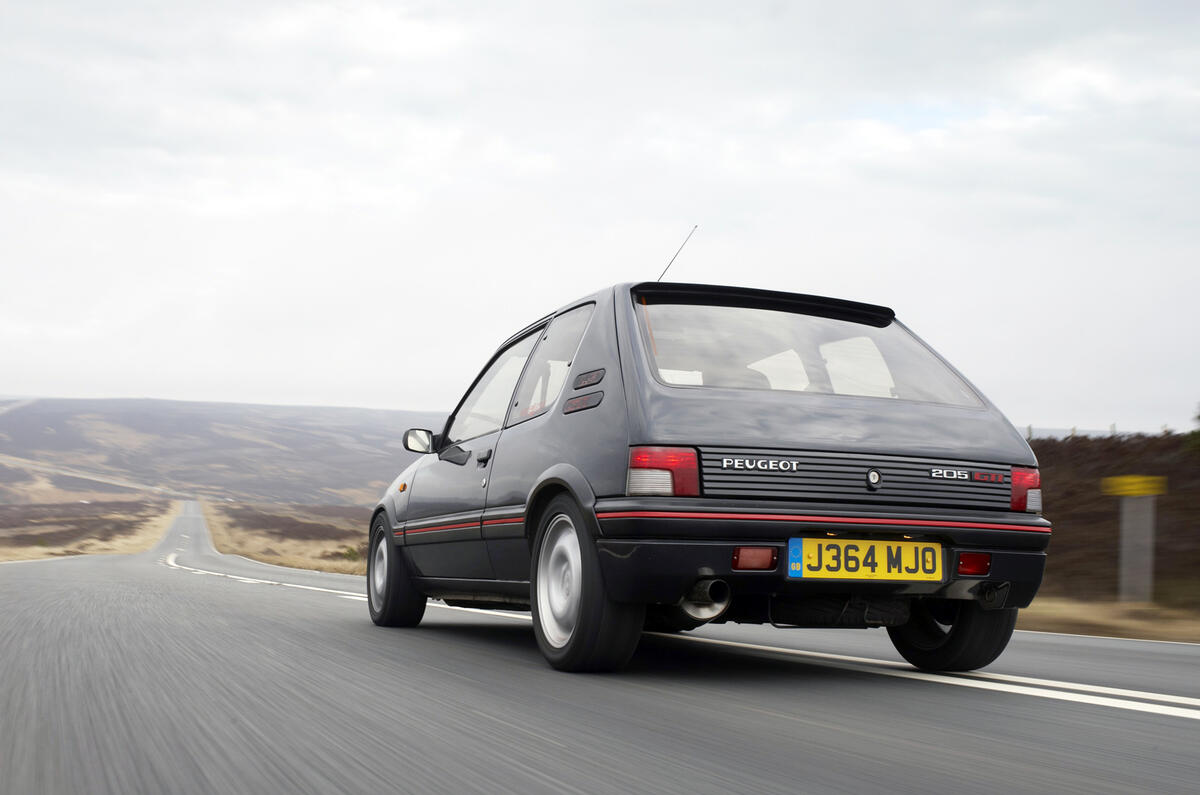
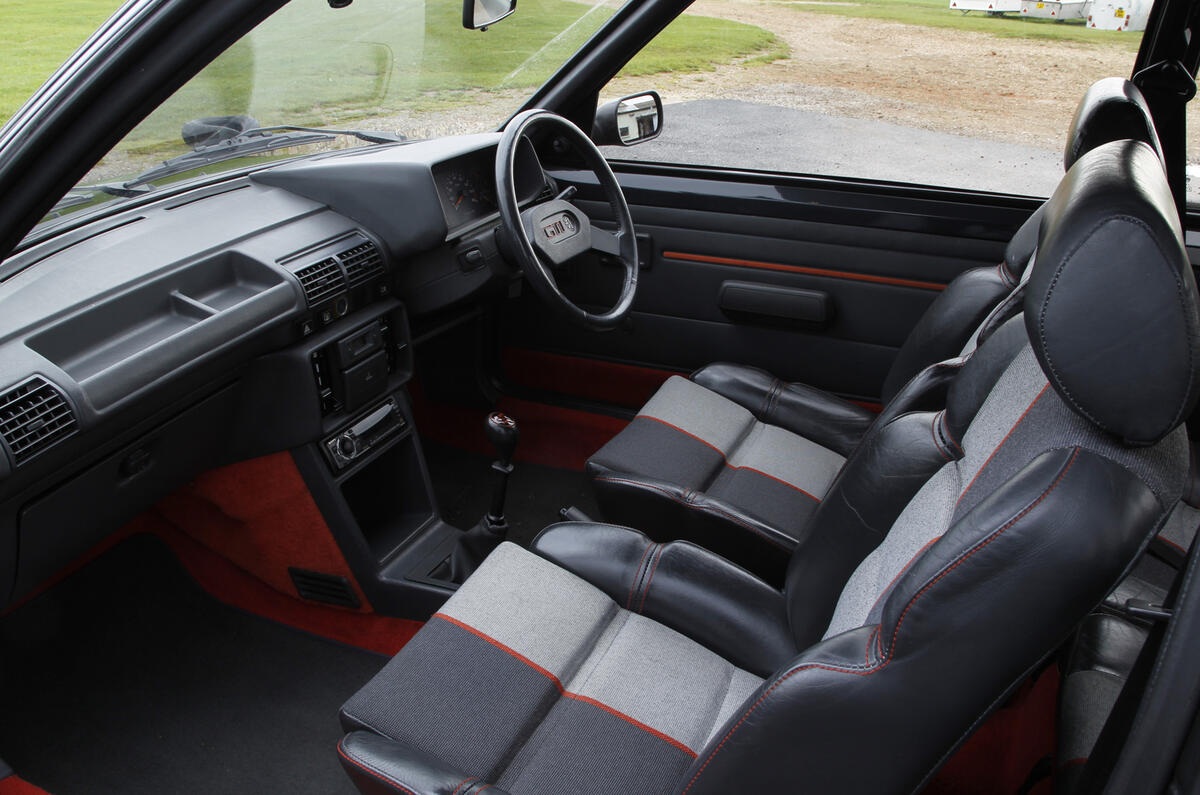
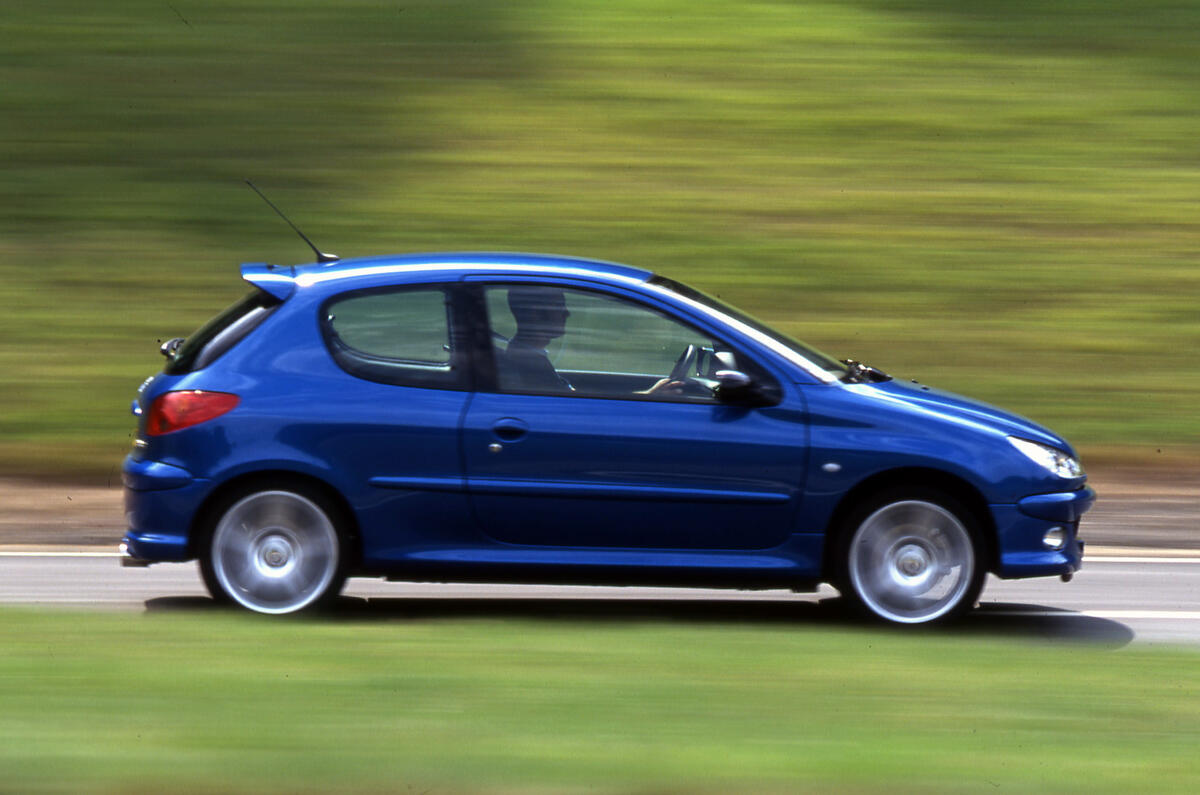
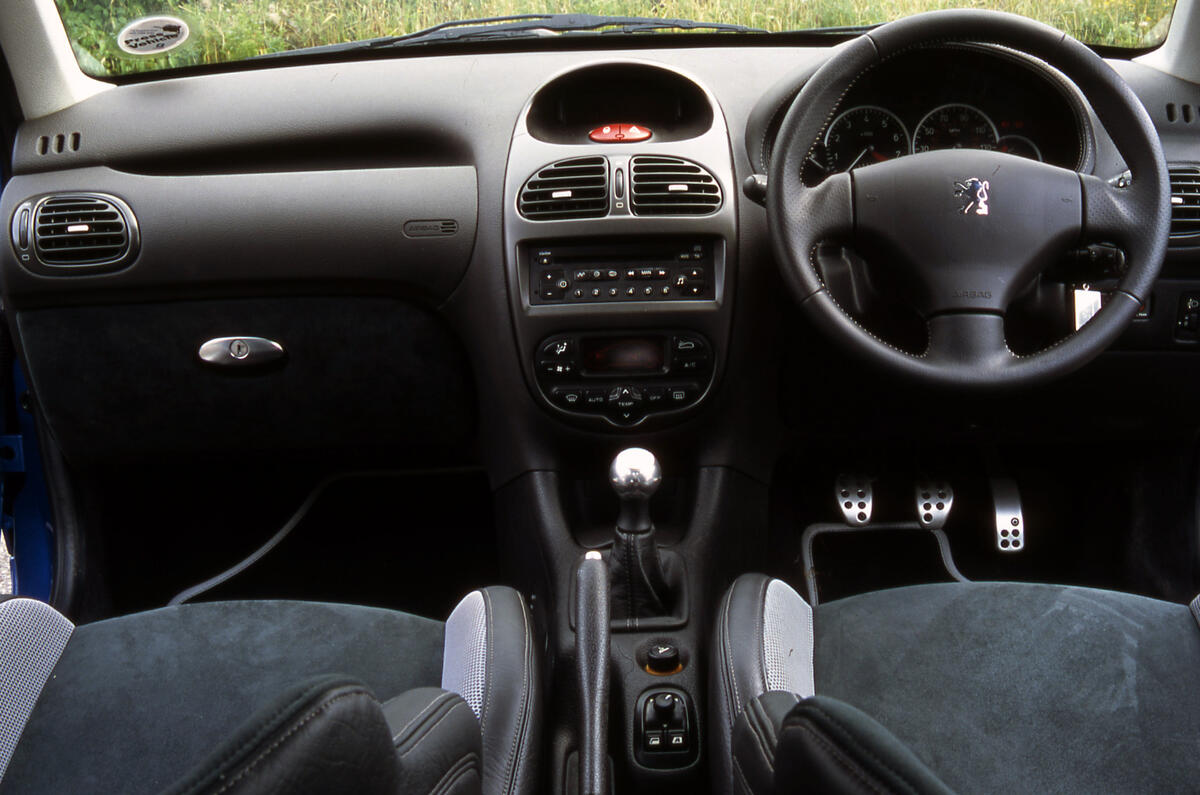
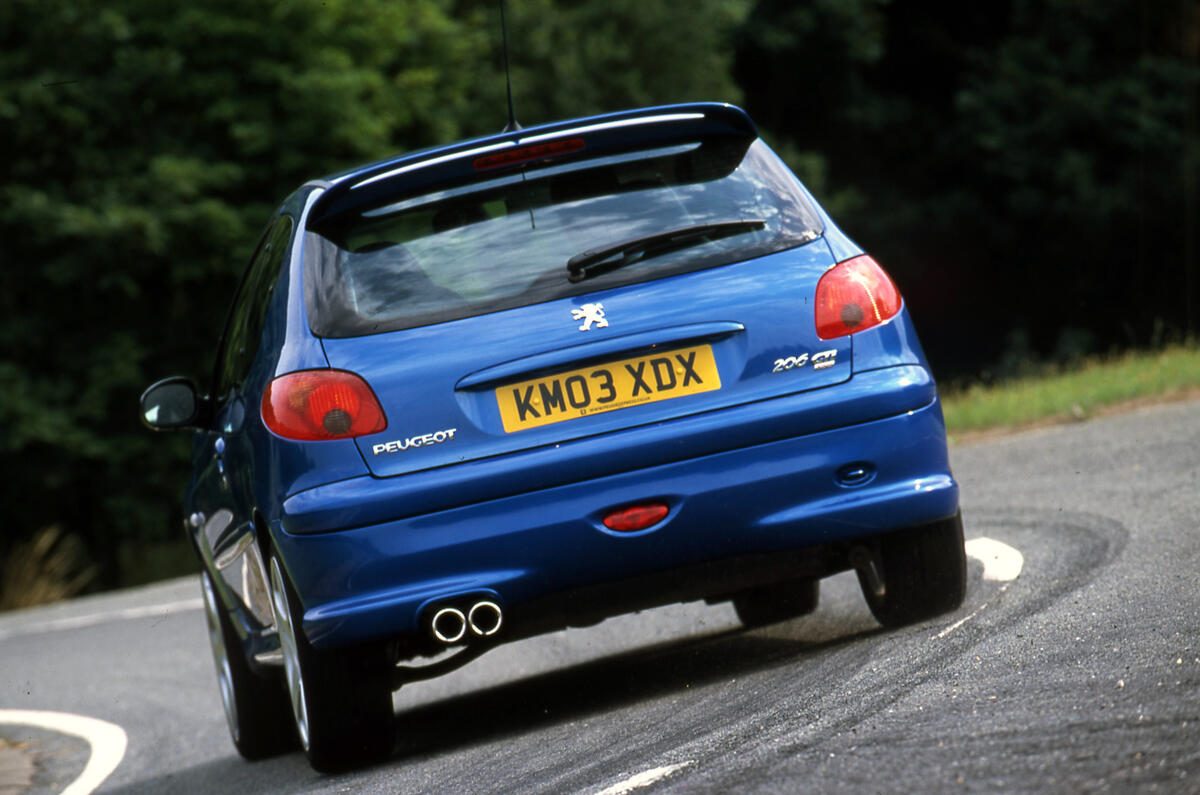
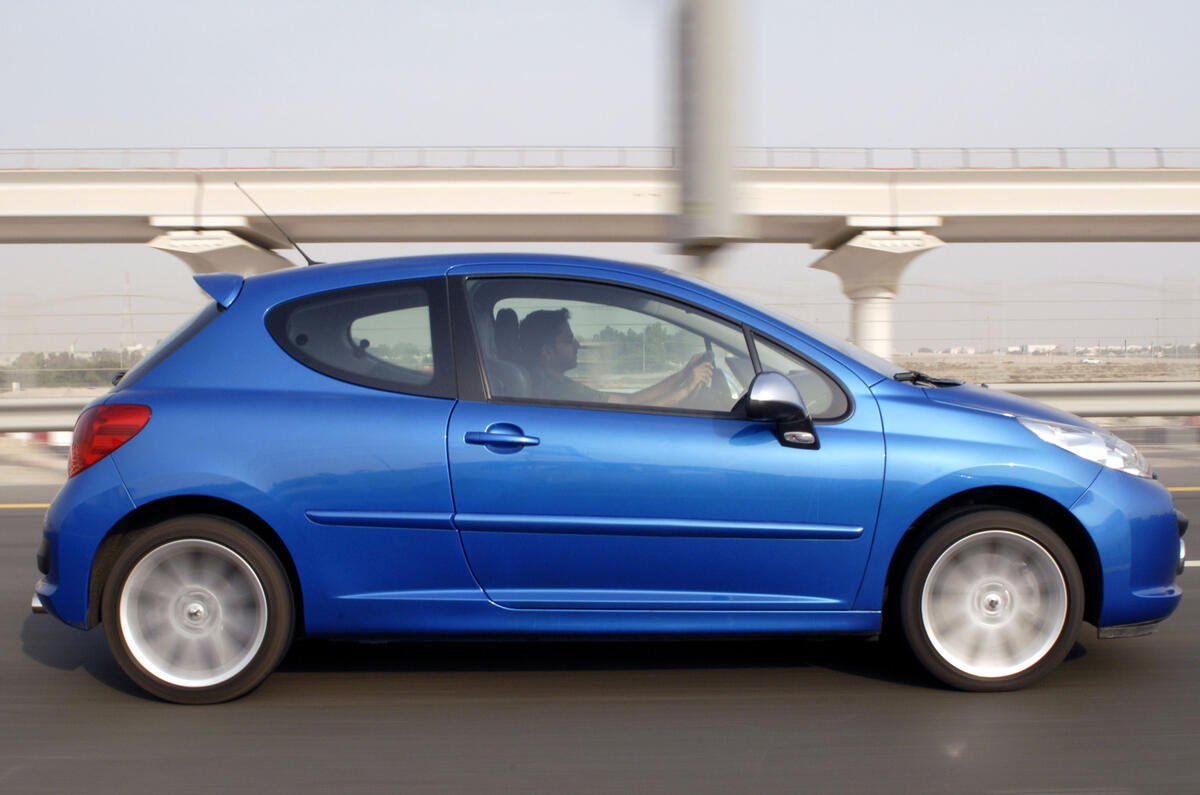
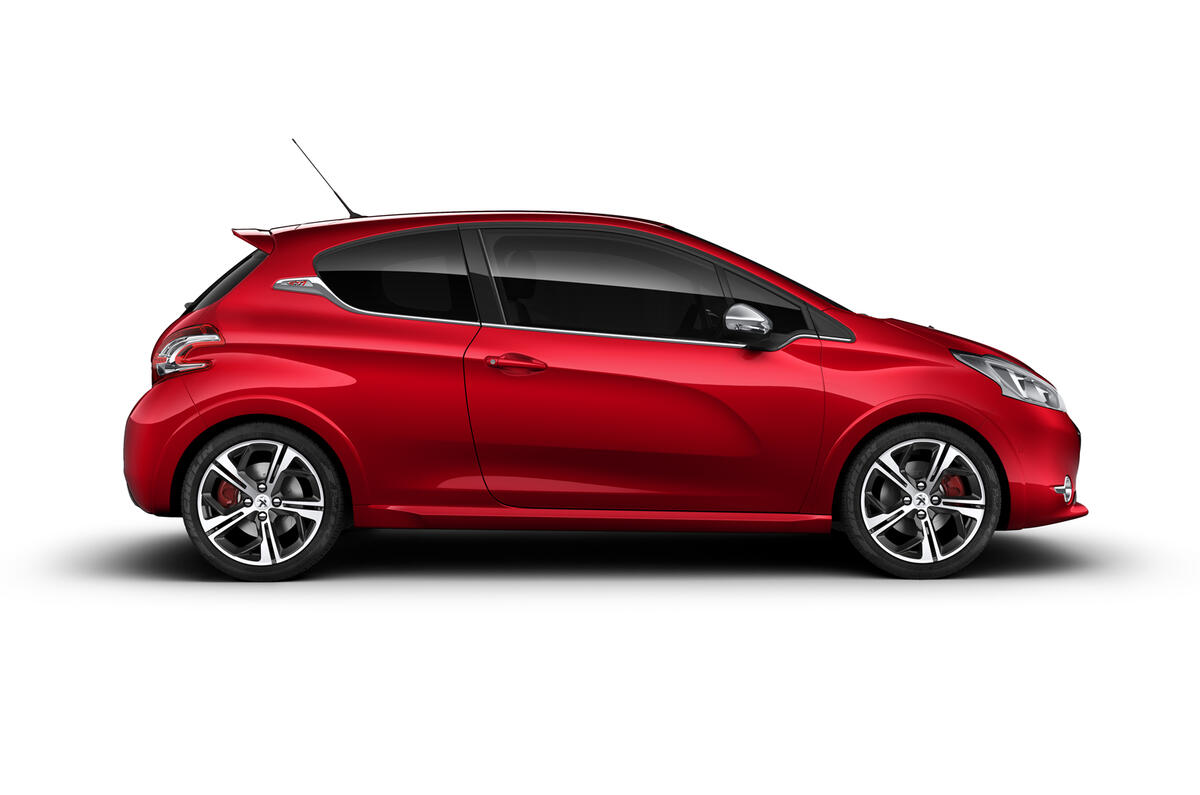
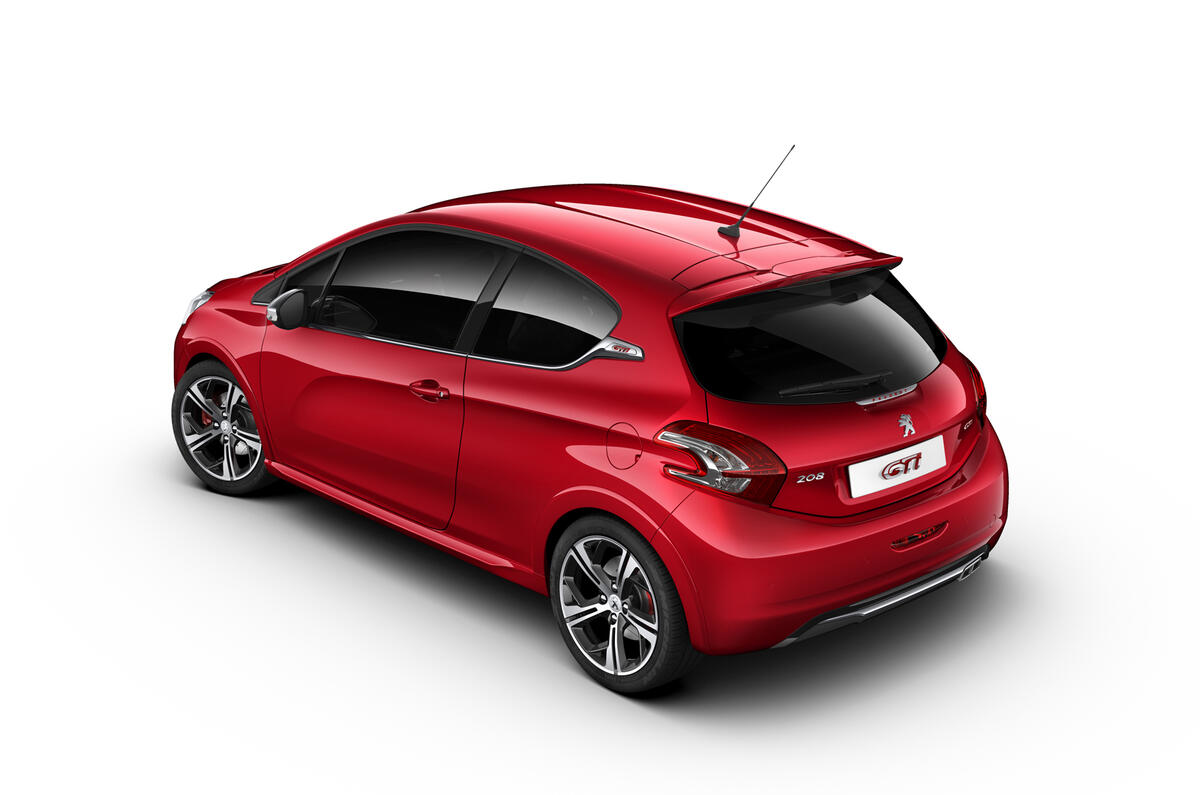
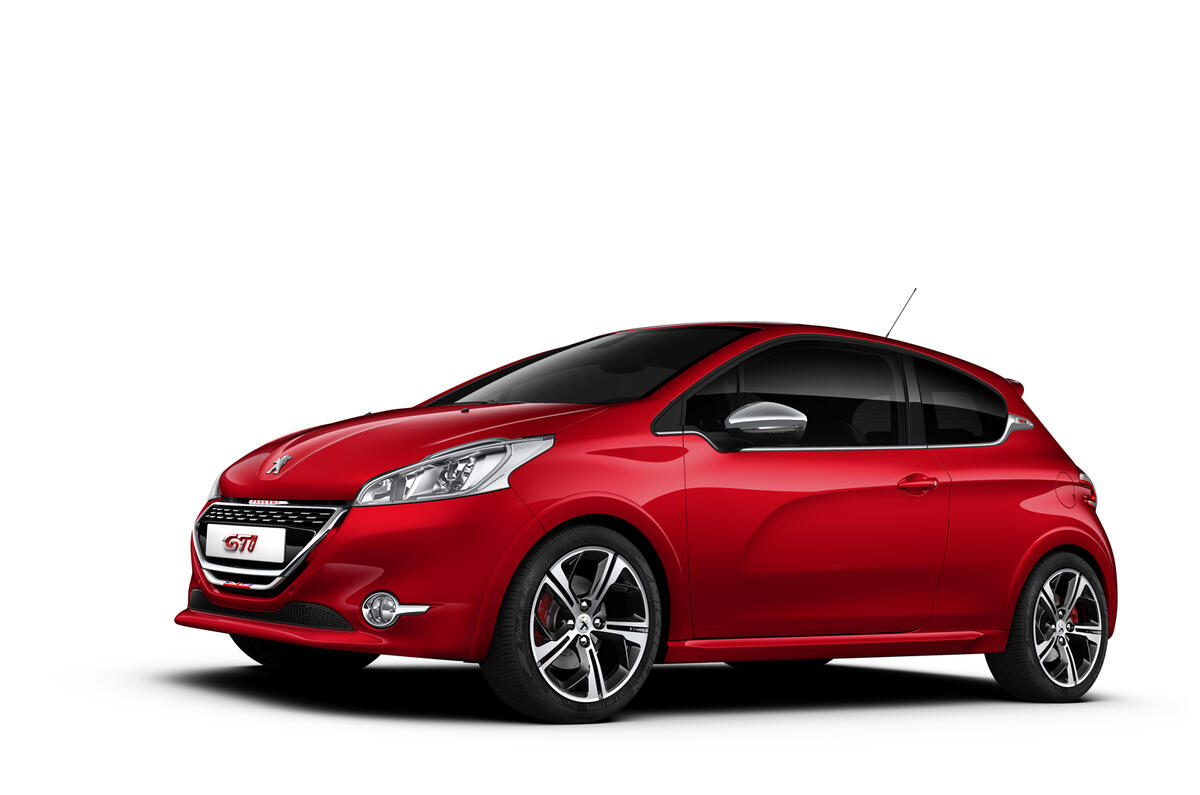
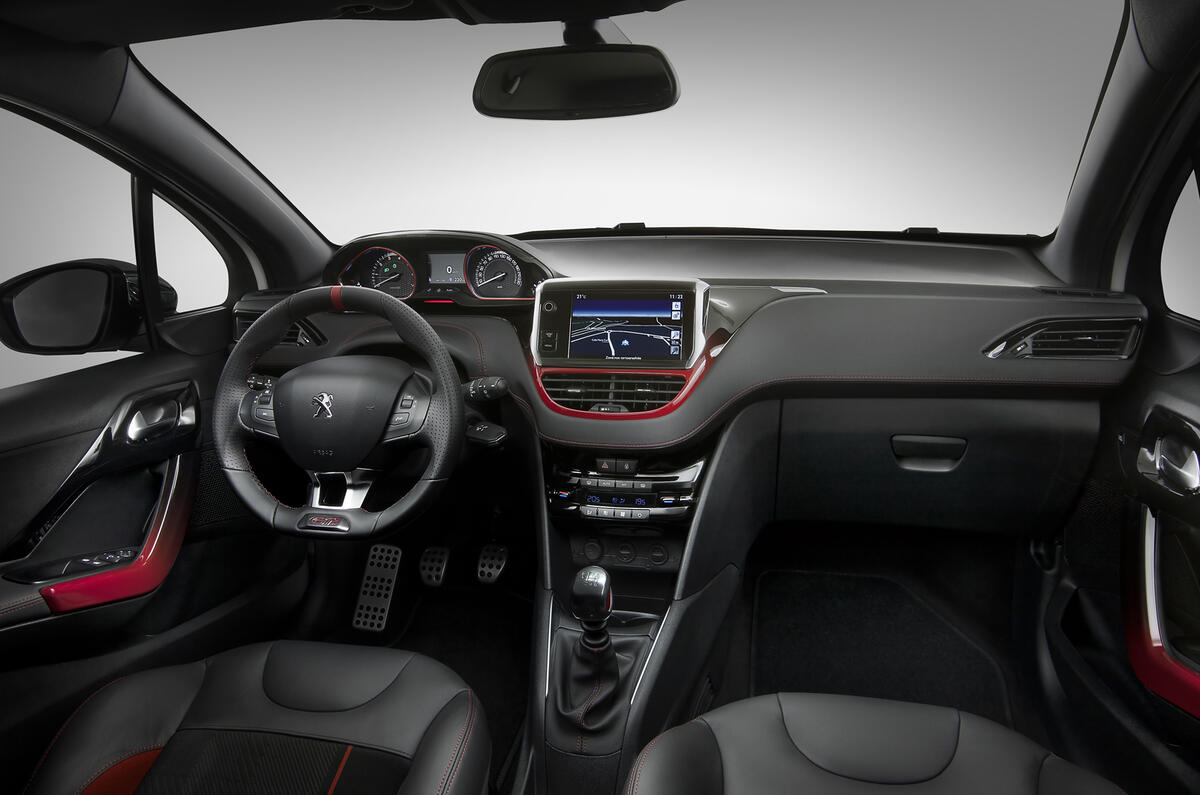
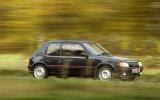
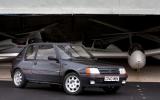
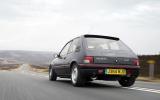
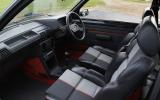
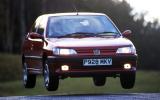
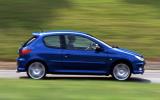
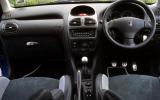
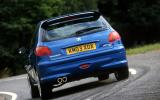
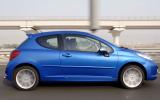
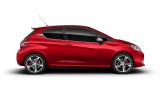
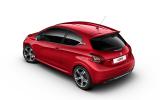
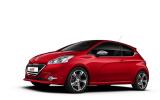
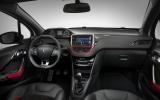

When Peugeot says the new 208 GTI will “regenerate the legend” of the much-loved 205 GTI, the manufacturer's choice of words are fitting. The venerable 205 GTI still offers a benchmark driving experience today and is part of a long tradition of Peugeots with the magic three letters on their bootlid. Some have been greater than others, but many have been iconic driver's cars.
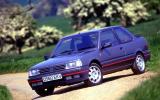
Just where do you start with the 205 GTI? There are many who argue it’s the greatest hot hatch there’s ever been. In both 105bhp 1.6 and 130bhp 1.9-engined form it redefined the genre with its low weight and sparkling handling. With its pepper pot alloy wheels and red-striped detailing, it looked absolutely spot on, too. Together with other hot hatch icons such as the VW Golf GTI and Renault Clio Williams, it’s an all-time great.
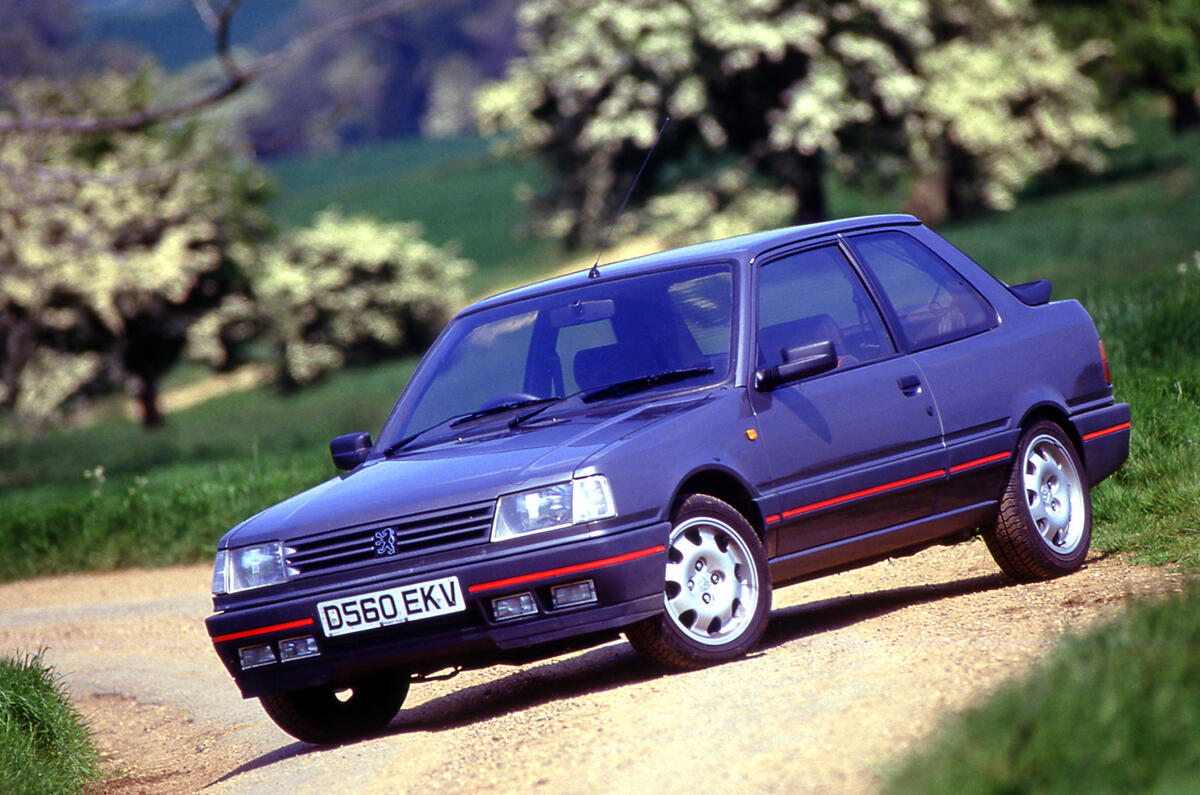
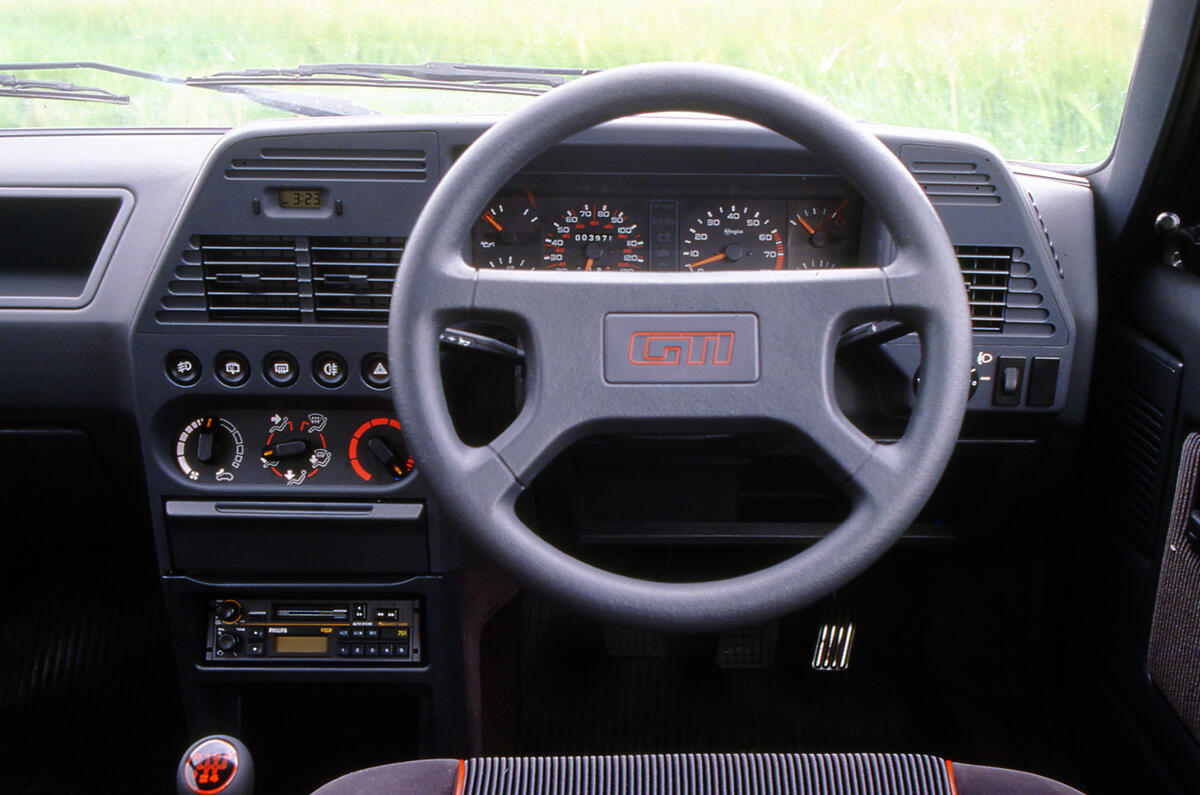
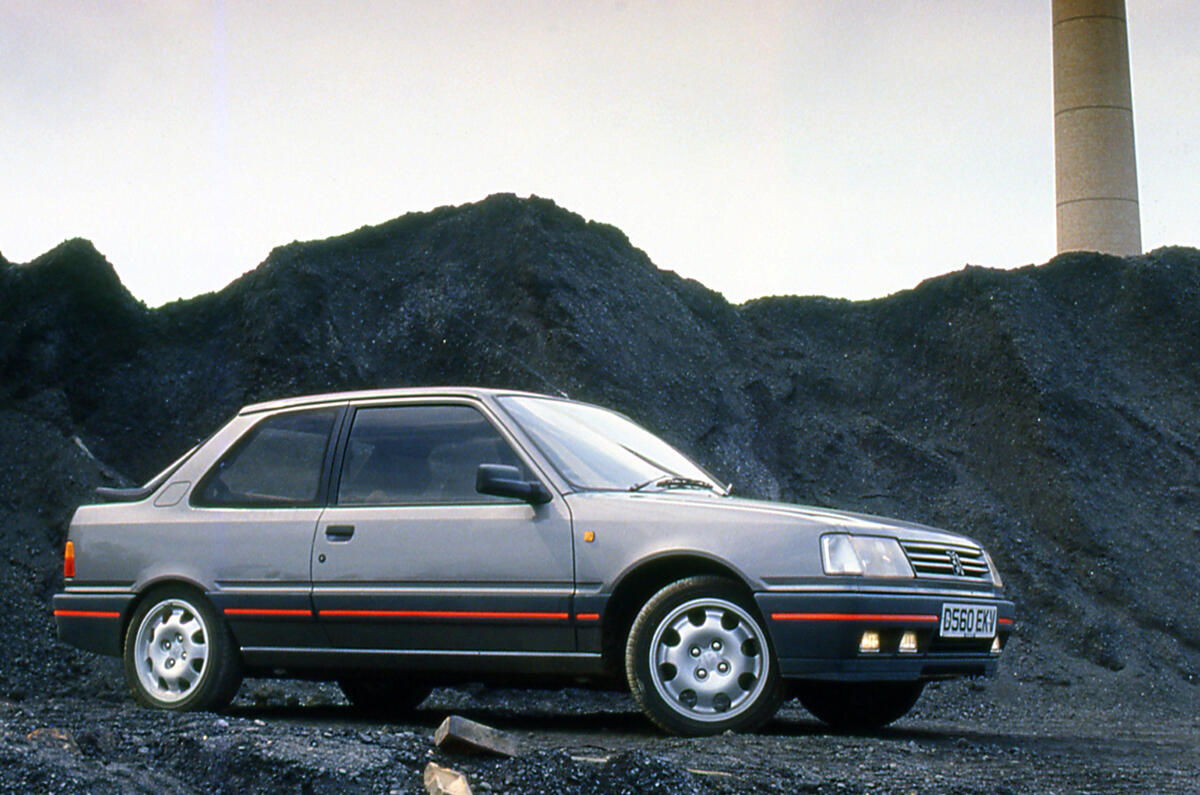
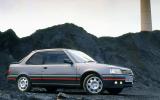
The 205 magic translated to its bigger brother too. Built around a stretched 205 chassis, the boxy 309 GTI was just as able as its illustrious sibling. Sharing the same engine and gearbox as the 205 GTI 1.9, its longer wheelbase and more even weight distribution made it less prone to the smaller car’s entertaining but occasionally unnerving tendency towards lift-off oversteer.
Autocar ran a much-loved and tinkered with 309 GTI as a fast road and competition car for some years, bought for the princely sum of £250 and going on to sprint and hillclimb success.
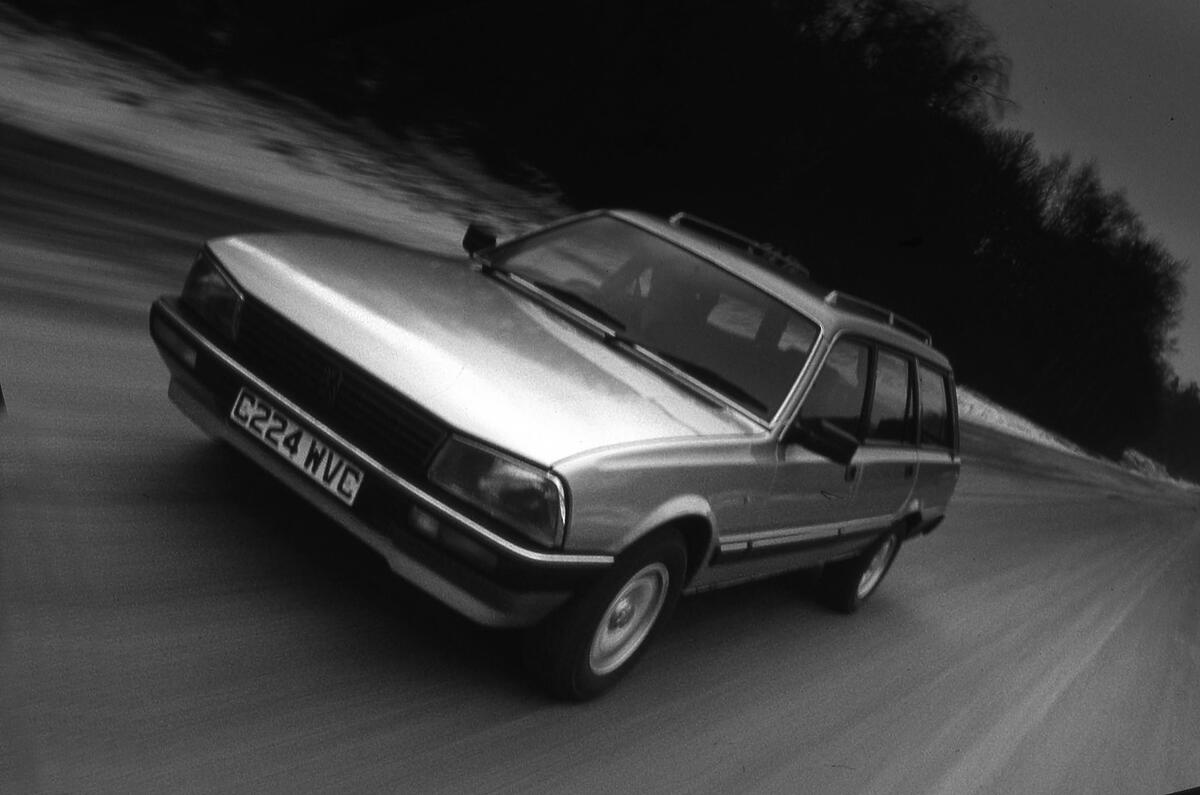
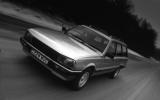
Those famous three letters appeared on the boot of non-hatchback Peugeots too. The 505 GTI sometimes gets forgotten in the pantheon of hot Peugeots, but there’s something beguiling about its long, low, square-cut proportions. Mind you, the GTI badge was also put on the eight-seater estate version, perhaps not the most obvious driver’s car. The 505 GTI’s 2.2-litre engine put out 130bhp and drove the rear wheels, making it the only rear-wheel drive car on this list. There are very few left on the road today.
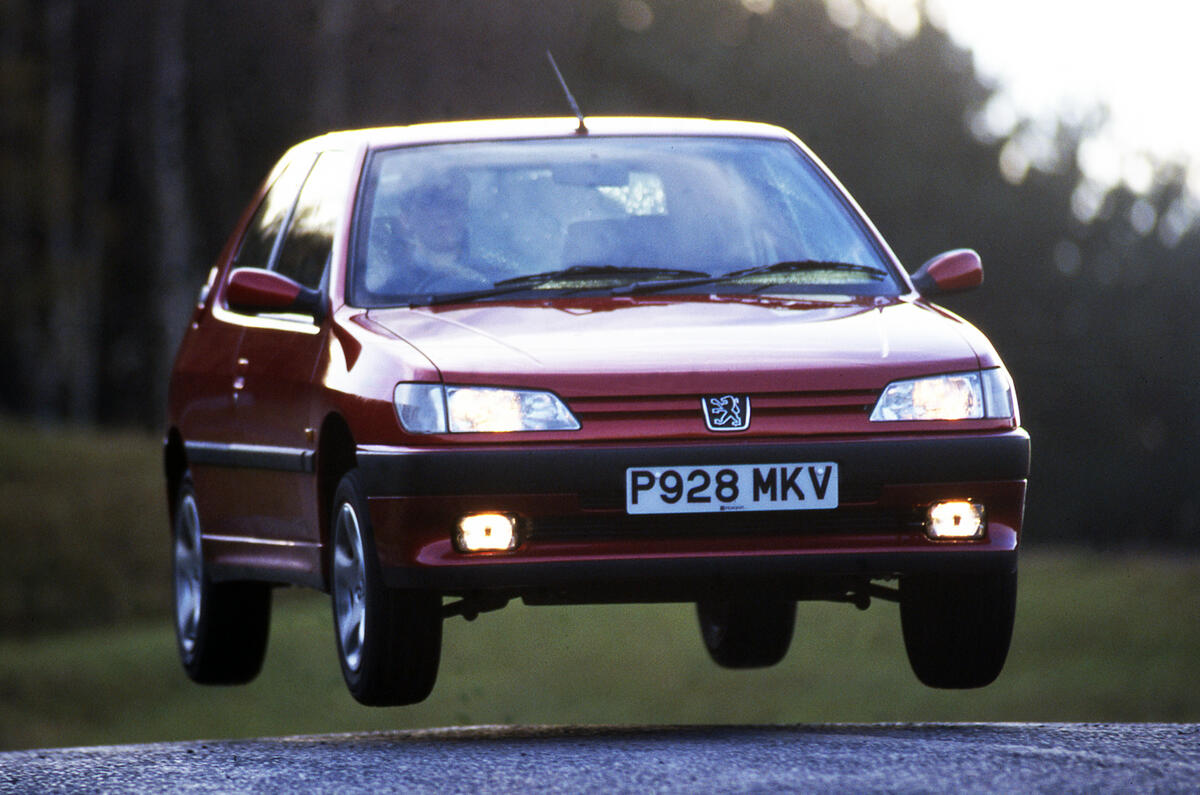
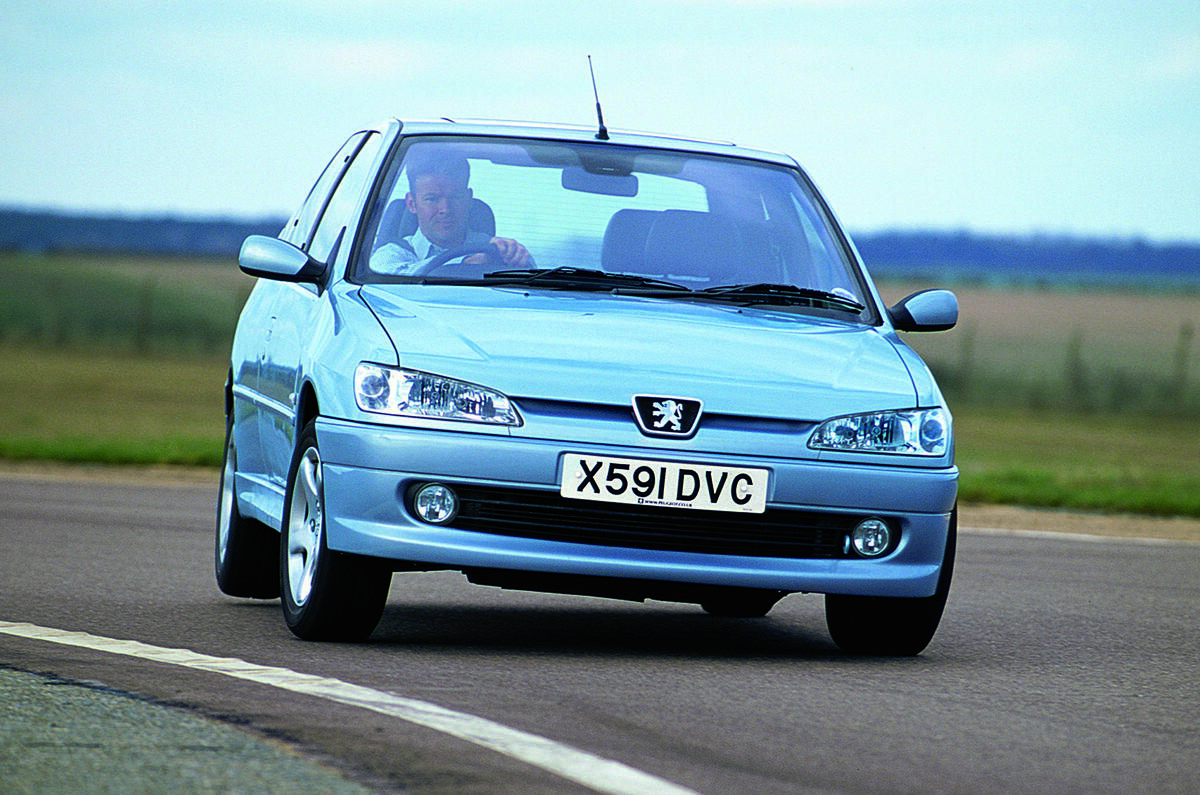
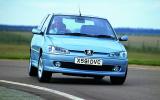
So far, the closest Peugeot has come to recapturing the magic of the 205 GTI was the 306 GTi-6, launched in 1996. Combining a close-ratio six-speed ’box with a 167bhp 2.0-litre engine, it was exceptionally agile and involving to drive and became a firm favourite with keen drivers. There was also the limited-edition 306 Rallye, a GTi-6 that had gone on a crash diet to shave 52kg from its kerb weight. Introduced in 1998, only 500 were built.
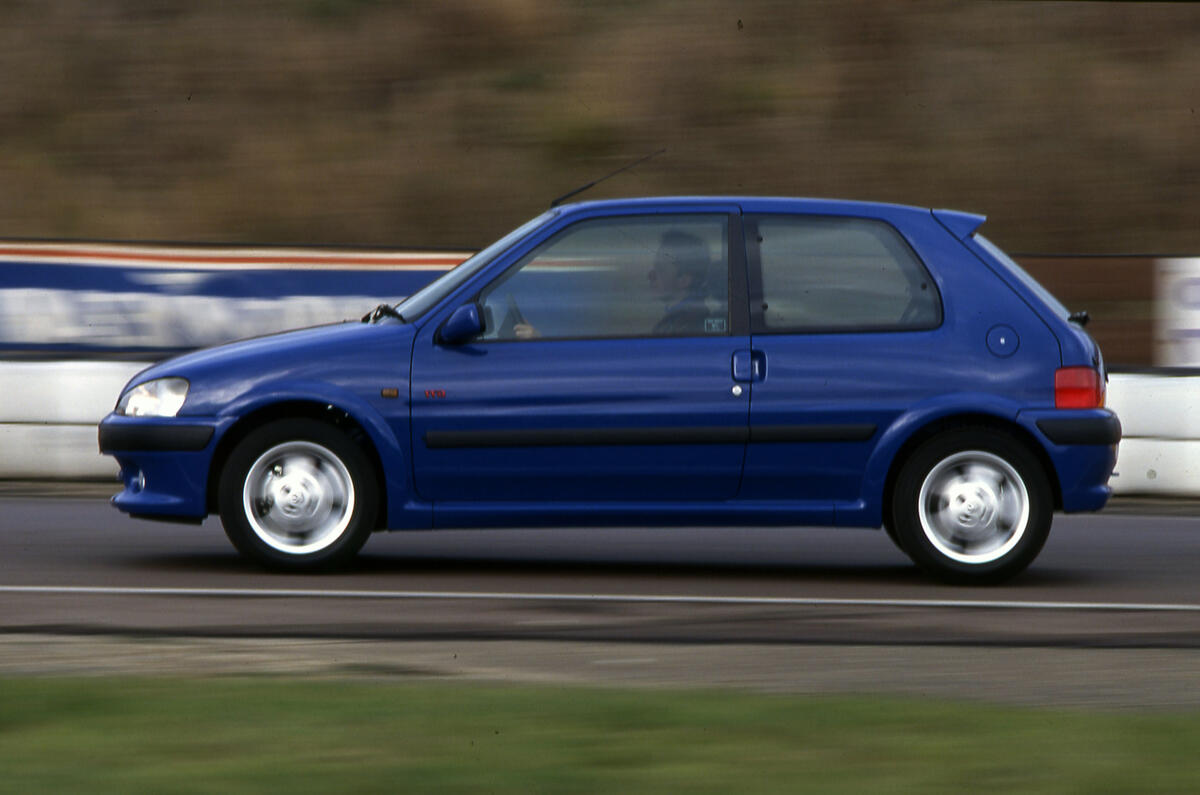
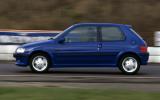
The 306’s smaller sibling, the 106 gained a GTI version of its own in 1997 with a 1.6-litre 16v fuel injected engine putting out 120bhp in a car that weighed just 925kg. It gained universal praise for its steering feel and playful handling and, like the 306, there was a flyweight Rallye version too.